What Are the Benefits of Automating University Timetable Generation?
Timetable automation cut scheduling time by 70% at IIM Calcutta and auto-resolved 90%+ of clashes at IIM Lucknow. The benefits, inputs and rollout steps.
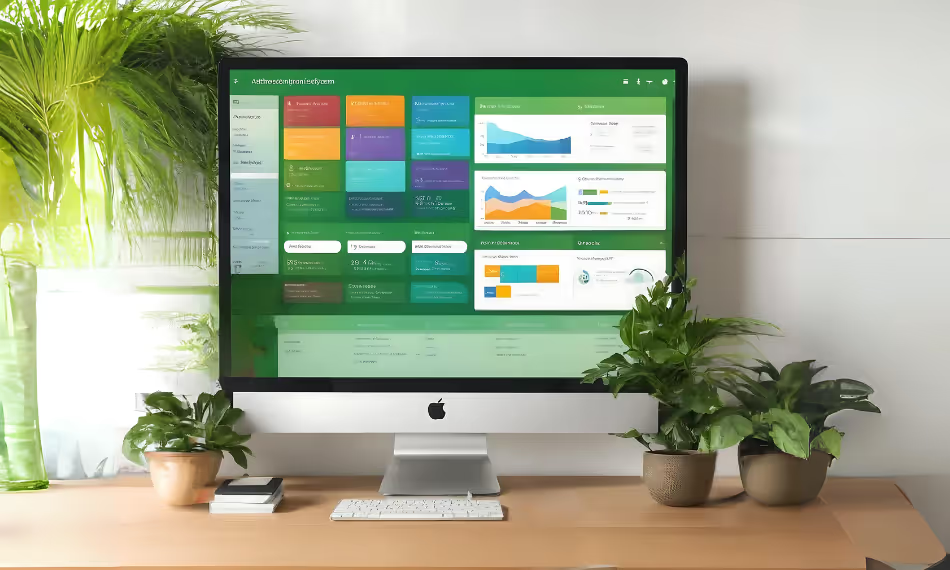
The short answer: automating university timetable generation saves weeks of manual scheduling, removes most clashes before the timetable is published, respects faculty preferences more consistently and makes better use of classrooms. At IIM Calcutta, automation cut timetable creation time by 70% and resolved 95% of potential conflicts. At IIM Lucknow, it resolved more than 90% of clashes automatically and halved the time needed to finalise the timetable.
This article explains what timetable automation does, which inputs it needs, the benefits institutions actually see, and what to look for in a scheduling system.
What is university timetable scheduling?
University timetable scheduling is the process of creating schedules for classes, exams and other academic events. It sounds simple until you try it. Every course needs a faculty member, a room and a time slot, and every student needs a schedule without overlaps. Change one element and several others move.
Anyone who has built a term timetable in a spreadsheet will recognise the pattern: the first draft takes days, the second draft fixes the obvious clashes, and the real problems surface after students register, when two popular electives turn out to share a slot.
Timetable scheduling automation software handles this by applying a clash-free scheduling approach across all the constraints at once.
What data does timetable automation need?
A good scheduling system considers these inputs together:
- Course offerings
- Faculty availability
- Faculty preferences
- Room availability and capacity
- Student preferences
- Student course registrations
- Active class time slots
- Active weekdays
- Holidays
Two further inputs make a large difference at business schools: demand estimates, which predict how many students will take each course, and a course clash matrix, which records which courses are frequently taken together and therefore must never share a slot.
What are the benefits of automating timetable generation?
1. Time and effort saved
Automation removes most of the manual effort of building schedules. At IIM Calcutta, the scheduling team used to spend weeks assigning courses to time slots by hand. With Registro, timetable creation time fell by 70%, from weeks to days. Read the IIM Calcutta case study.
2. Fewer scheduling conflicts
Automated systems check every constraint at once, so clashes are caught before the timetable goes out, not after students complain. IIM Calcutta's system resolved 95% of potential scheduling conflicts. At IIM Lucknow, where students often enrolled in overlapping multi-section courses, Registro resolved more than 90% of clashes automatically by shuffling students between sections, and the number of students reporting schedule conflicts fell by 60%. Read the IIM Lucknow case study.
3. Faster finalisation
Because conflicts are resolved by the system rather than by email, the timetable can be finalised much sooner. IIM Lucknow cut the time needed to finalise its timetable by 50%.
4. Better use of rooms
Manual schedules often put popular courses in undersized rooms and leave large rooms empty. A demand-driven system matches course size to room size. IIM Lucknow improved classroom utilisation by 20%.
5. Fairness to faculty and students
Data-driven scheduling makes the timetable fairer. It considers faculty workload and preferences alongside student demand, so no one group consistently gets the worst slots. At IIM Calcutta, 85% of faculty preferences were incorporated into the final schedule.
What kinds of scheduling software are there?
Options range from spreadsheet-based methods to AI-driven scheduling systems. Each has strengths and weaknesses:
- Spreadsheet-based methods are familiar and cheap, but they are prone to data errors and struggle with complex scenarios such as multi-section courses, cross-programme electives and late registration changes.
- AI-based scheduling systems, such as the Registro Timetable Scheduler, use constraint-based optimisation algorithms to generate optimal schedules and handle far more complex requirements.
The deciding question is usually not "can it make a timetable?" but "can it remake one quickly when something changes?" A faculty member is unavailable, a course is oversubscribed, a room goes out of use. A good system adjusts the schedule without starting from scratch.
Why does integration with other university systems matter?
A timetable is only as good as the data behind it. Modern timetable automation software integrates with other university ERP systems, including:
- Student registration systems
- Course management systems
- Course bidding systems
- Faculty calendars
When these connect, the whole process becomes automated and digitised. Stakeholders get full visibility of clashes, and administrators can still step in manually to handle operational situations on the ground.
Two examples show why this matters. At IIM Kozhikode, elective bidding outcomes feed directly into automated timetable generation, so conflicts are resolved before the schedule is published. At IIM Bangalore, teaching slots are blocked automatically in faculty Outlook calendars, which removes a whole class of conflicts that used to appear only after publication. Read the IIM Kozhikode case study.
How do you roll out timetable automation?
IIM Lucknow's rollout followed four phases, which work well as a template:
- Data collection and set-up: connect the registration platform and import final registration data to create a baseline schedule.
- Testing and clash detection: generate test schedules, find the common clashes and check that section shuffling doesn't overload any section.
- Training: train administrators on the dashboard and give students a visual view of their schedules.
- Rollout and fine-tuning: launch at the start of term and handle late enrolment changes dynamically.
Frequently asked questions
How long does it take to generate a timetable automatically?
Once the data is ready, a constraint-based system can generate a clash-free timetable in minutes. The bigger saving is in iterations: changes that once took days of back-and-forth can be re-run almost immediately.
Can automated timetabling handle faculty preferences?
Yes. Faculty preferences are one of the main inputs. At IIM Calcutta, 85% of faculty preferences were reflected in the final timetable.
What is a course clash matrix?
A course clash matrix records which pairs of courses students commonly take together. The scheduler uses it to make sure those courses are never placed in the same slot.
Does timetable automation work with course bidding?
Yes, and it works best that way. When bidding results feed into the timetable, as at IIM Bangalore, IIM Kozhikode and NMIMS Mumbai, the schedule reflects actual enrolments rather than estimates.
Related reading
- What is timetable scheduling automation?
- Challenges staff face without timetable automation
- Video: how to implement a timetabling automation system
- Registro Timetable Automation
Conclusion
Automating university timetable scheduling makes the process faster, fairer and far less stressful. It lets universities manage their resources better, reduce conflicts and build schedules that meet the needs of students and faculty alike, which in turn supports the expansion of programme offerings. To see how Registro would handle your timetable, request a demo.
Explore More Blogs




CIN: U74999TG2016PTC110546
GST: 36AABCW8421F1ZD
PAN: AABCW8421F