How Do Digital Student Systems Improve Student Success in Higher Education?
Digital student systems improve student success by cutting admin friction and catching problems early. At OPJGU, registration queries fell by 99%.

The short answer: digital student systems improve student success by removing the friction between a student and their education. When registration, schedules, advising and placements run on connected systems, students spend less time chasing information, problems surface earlier, and staff have time for the students who need them. At OP Jindal Global University, student queries during course registration fell by 99% after elective bidding moved online, and student satisfaction has consistently been rated 4.5 out of 5.
This article looks at where students lose time and confidence in a manual system, which digital touch points make the biggest difference, what EDTEX's own implementations show, and where technology stops and people take over.
What does student success depend on outside the classroom?
Most conversations about student success focus on teaching, and teaching matters most. But a large part of a student's experience happens around it: registering for courses, finding out where and when classes are, getting help when grades slip, and preparing for placements.
In a manual system, each of those steps carries a small cost. A student queues at the registrar's office with a paper form. The timetable arrives as a PDF with two of their electives in the same slot. An advisor learns that a student is struggling only when mid-term results come in. None of these alone derails a student, but together they add up to lost time, anxiety and avoidable drop-offs.
Picture a programme office in the first two weeks of term. The phones do not stop. Students want to know whether they got their electives, why their schedule shows a clash and when the add/drop window closes. Staff spend their days answering the same handful of questions, and the student who is quietly falling behind gets no attention at all.
Which digital touch points make the biggest difference?
Early alerts that reach an advisor in time
Early-alert systems notify students and advisors when grades drop below a set threshold or engagement falls away, so an advisor can reach out before a problem becomes a crisis. Faculty can spot patterns too, such as a student who has stopped logging in to the course platform. The value is in the timing: a conversation early in the term is far more useful than one after mid-terms. These alerts draw on the learning platform and gradebook, so they work best when the systems holding that data talk to each other.
Self-service instead of queues
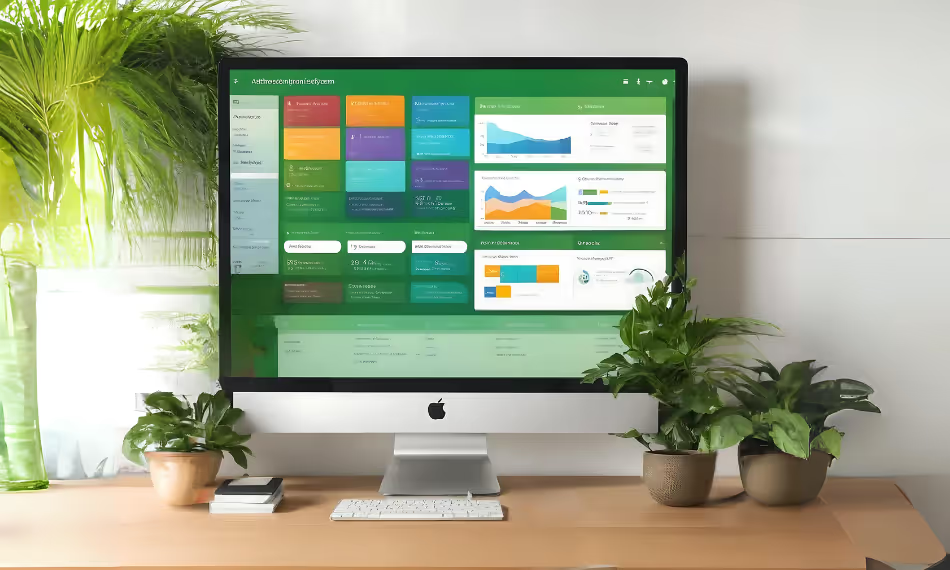
Students should be able to check their schedule, contact faculty and track their degree progress in one place, ideally on their phone. This matters most for students with the least slack in their week, such as those balancing study with work. Every question a student can answer for themselves is one less email to the programme office, and one less day spent waiting for a reply.
Transparent course registration
Registration is often the first big digital interaction of a term, and it sets the tone. When students can see seat availability, their standing and their allocation in real time, they stop guessing and stop emailing. In elective bidding, students allocate virtual bid points to the courses they want most, see live rankings and clearing prices, and get instant confirmations. What is elective course bidding? explains the mechanism in detail.
At OP Jindal Global University, more than 5,000 students now take part in a single registration window across 10+ schools and 45+ programmes. Because students have full visibility of the allocation process, queries during registration fell by 99% and manual effort for programme offices and students fell by 97%. Read the OPJGU case study.
"The EDTEX Course Bidding System successfully supported our multi-round bidding process for around 380 students, including demand estimation, bidding, waitlisting and add/drop rounds." Prof. Jagrook Dawra, PGP Chairperson, IIM Raipur
Clash-free schedules students can see
A timetable clash is not a minor irritation. It can force a student to drop the elective they built their term around. At IIM Lucknow, students were given a colour-coded visual interface to view their schedules and flag conflicts before the timetable was finalised, while the system resolved more than 90% of clashes automatically by shuffling students between sections. The number of students reporting schedule conflicts fell by 60%. Read the IIM Lucknow case study.
Advising and career alignment
The better systems connect what a student studies with where they want to go. Career alignment tools match coursework and interests with possible career paths, and advisors can use the same data to guide elective choices. The last step of that journey is the placement process itself, and it is where manual systems hurt students most: missed updates, clashing interview slots and no clear view of where they stand.
Skynet automates the placement cycle end to end, from student profiles and CV variants to shortlisting, interview scheduling and offers. At IIT Bombay, 900 students were interviewed on Day 0 across 40 companies with zero schedule clashes. Read the IIT Bombay case study. For the student side of this problem, see the challenges students face in placements without modern IT systems.
Why do connected systems matter more than individual tools?
A mobile app sitting on top of disconnected spreadsheets only moves the queue. The student still waits; they just wait on a smaller screen. Real improvement comes when one process feeds the next: registration data flows into the timetable, the timetable into attendance, and the student record into placements.
At IIM Kozhikode, elective bidding and timetable scheduling run as one integrated system, so conflict-free timetables are generated automatically once bidding closes. Students do not have to wait for the programme office to rebuild a schedule by hand. Read the IIM Kozhikode case study.
This is the idea behind the Registro Academic ERP: course registration, elective bidding, timetabling, student exchange, credit policy and the student record on one platform, so the student sees one consistent picture and the programme office works from one source of truth.
What do institutions gain?
The case for institutions follows from the case for students. Students who are supported early are more likely to stay and do well. Resources are planned from real data rather than last year's guesswork. Graduates leave with a better experience of the institution, which shapes how they engage as alumni.
There is a staff benefit too. At NMIMS Mumbai, digitising MBA elective bidding cut manual effort for programme offices and students by 95%. Read the NMIMS case study. That time goes back to advising, faculty support and the students who need a conversation rather than a form.
Where does technology stop and people take over?
Technology is a tool. It does its best work when it brings students, faculty and advisors closer together, not when it replaces the conversation. An alert is only useful if an advisor acts on it. A dashboard is only useful if someone looks at it and makes a decision.
Artificial intelligence and virtual advising will take on more of the routine work in the coming years, such as answering questions at any hour and nudging students before deadlines. We cover what that looks like, and the cautions that come with it, in what AI agents can do for student success. Whatever the tool, student data is sensitive, so systems should comply with data protection laws such as GDPR and India's DPDP Act, 2023.
Frequently asked questions
What is a student information system?
It is the system that holds the student record and runs the processes around it, such as course registration, schedules, grades and progress tracking. A modern one gives students self-service access and gives staff one source of truth.
Do digital systems replace academic advisors?
No. They show advisors who needs help and when, and they take routine questions off their desk, so advisors spend more time on the conversations that matter.
How quickly do students notice a difference?
Often in the first cycle. At IIM Sambalpur, the move to digital elective bidding reduced manual effort by 95% and student queries by 99% from day one. A single process typically takes a few weeks to implement.
Which process should an institution digitise first?
Start where students feel the most pain. For many business schools that is elective registration or timetabling, because both affect every student every term.
Is student data safe on these platforms?
It should be. Look for role-based access controls and compliance with data protection laws such as GDPR and India's DPDP Act, 2023.
Related reading
- The 5 key pain points students face while registering for courses
- The benefits of automating university timetable generation
- 5 critical reasons to automate academic operations
- Skynet Placement Automation
To talk about digitising registration and timetabling at your institution, write to us at registro@edtex.in. For placements, write to skynet@edtex.in, or request a demo.
Explore More Blogs


CIN: U74999TG2016PTC110546
GST: 36AABCW8421F1ZD
PAN: AABCW8421F